Delivering Reliable, Cleaner Energy
We work every day to provide reliable, cleaner energy while keeping bills as low as possible for customers. It starts with electricity generation — whether from renewable resources like wind and solar or from power plants — where energy is produced and sent to your community through transmission and distribution lines.

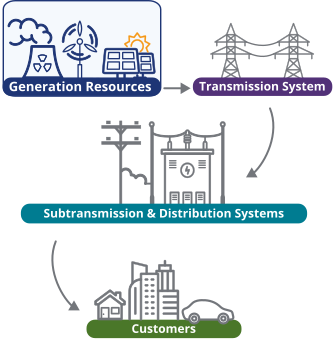
How We Power Your Home and Community
We use a balanced mix of energy resources to generate the electricity our customers need. Each energy resource plays a role in keeping your lights on and your home comfortable, while continuing the transition toward a cleaner energy future.
Our Balanced Energy Fuel Mix
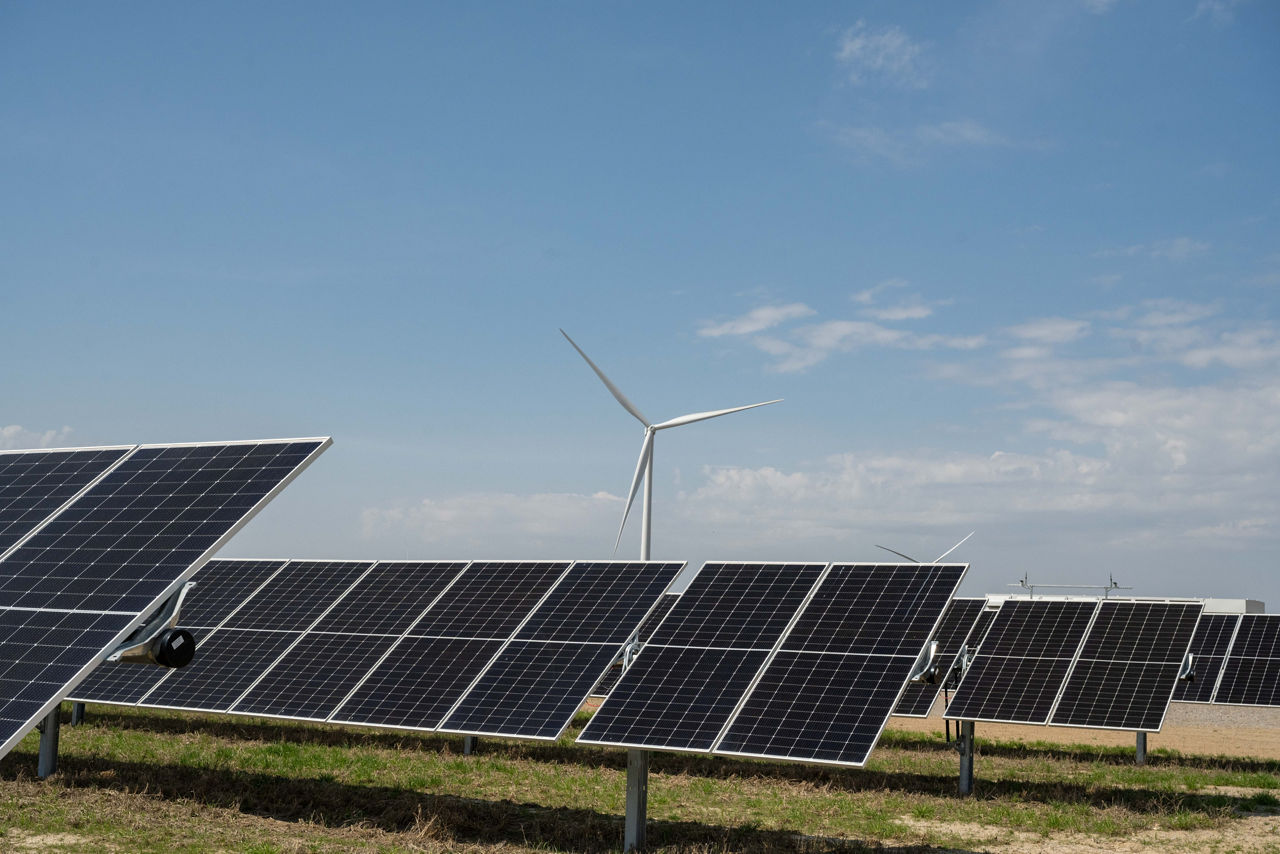
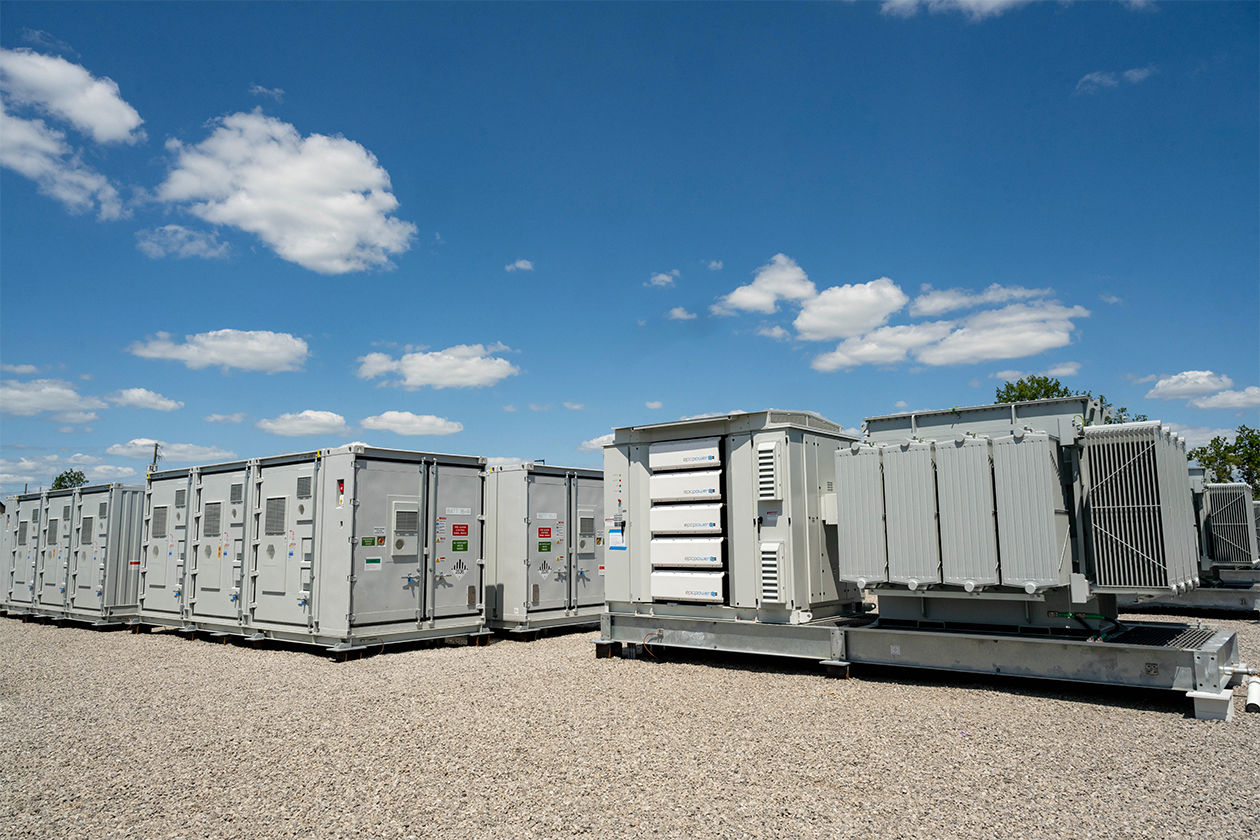
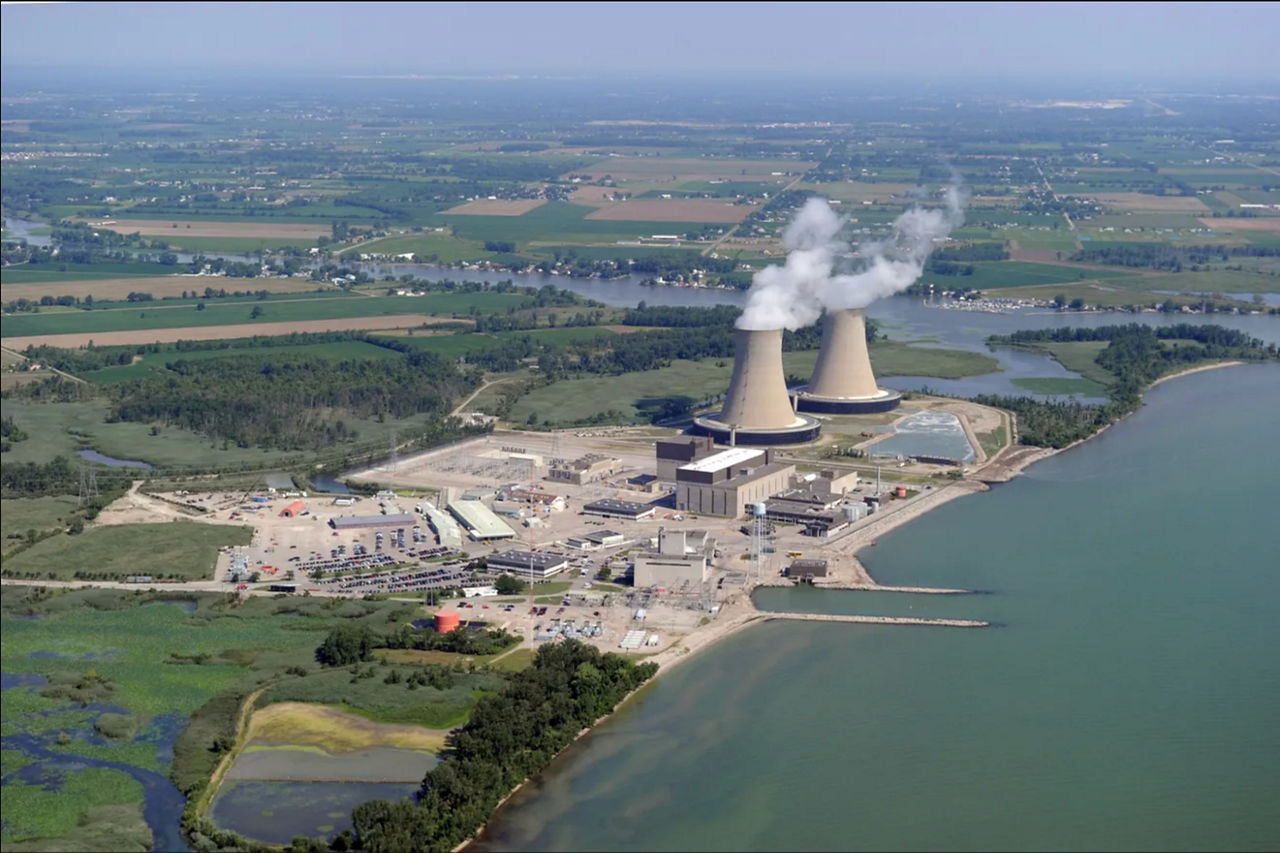
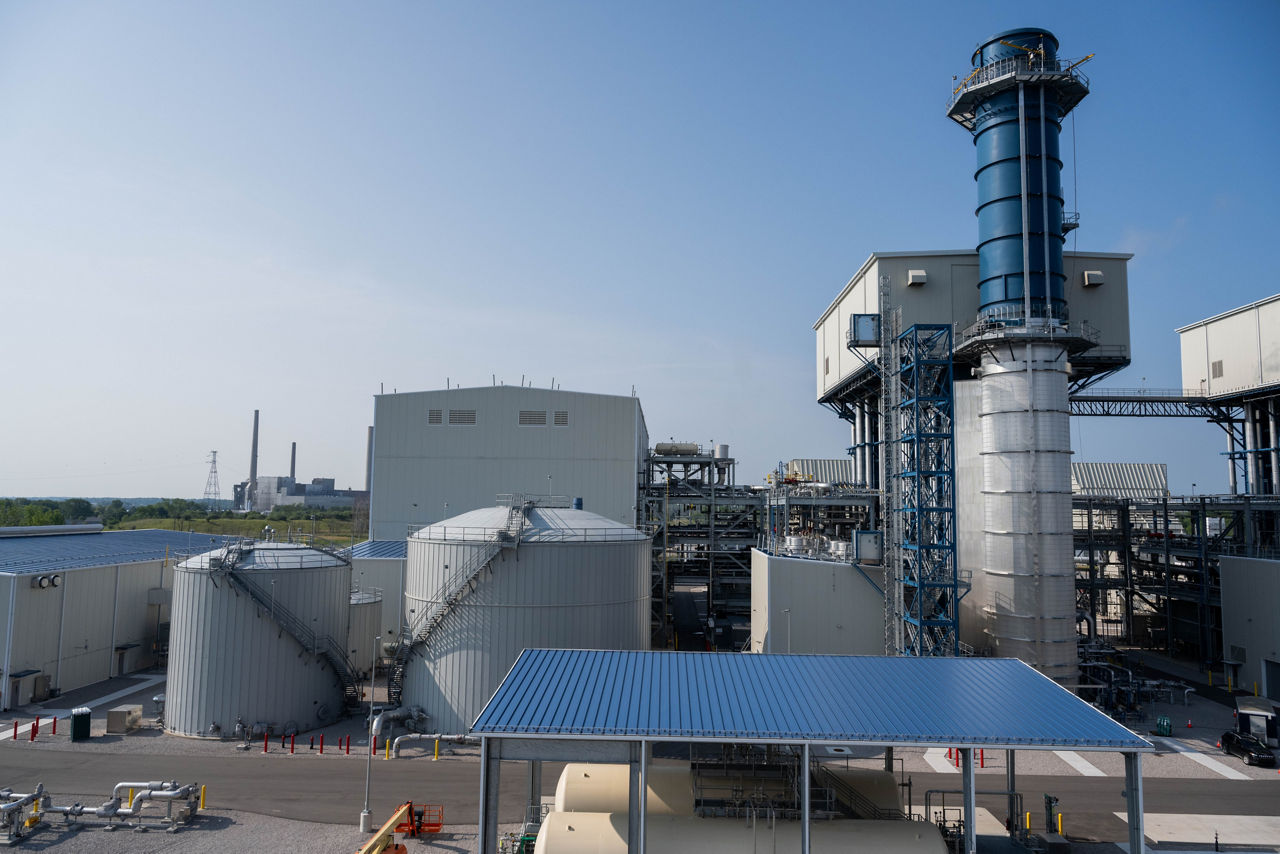
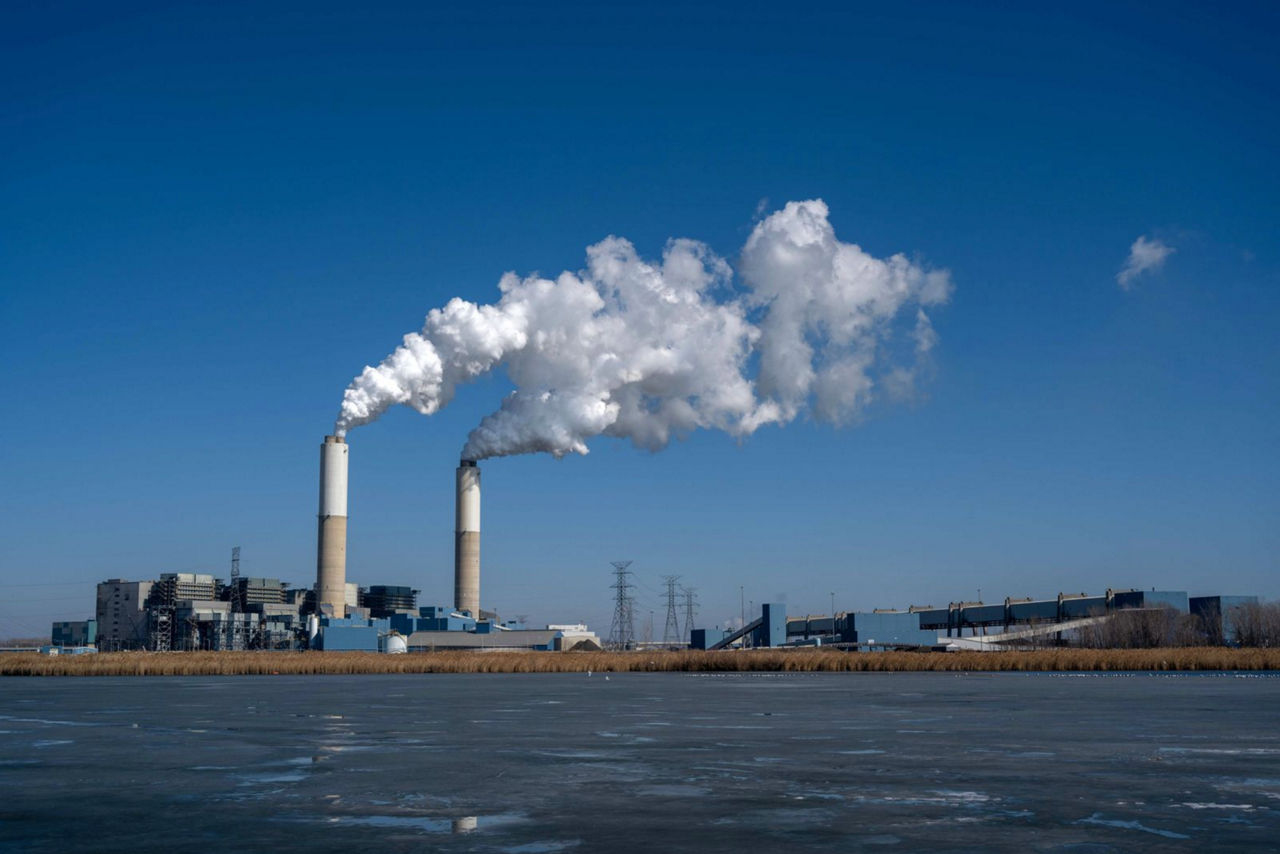
- Wind and Solar
- Energy Storage
- Nuclear
- Natural Gas
- Coal
How We Plan for Michigan’s Changing Energy Future
Providing power our customers can rely on every day requires thoughtful planning for Michigan’s energy future. This planning process is known as the Integrated Resource Plan, or IRP.
What Is an Integrated Resource Plan?
The IRP is a long-term blueprint that guides how we will generate power over the next 20 years. It examines how much electricity our customers will need, the cost of different resource options and how to keep your power reliable while meeting all state and federal requirements. The plan accounts for retiring older resources and adding new ones, investing in energy efficiency and embracing proven technologies that meet our customers’ evolving energy demands.
2026 Integrated Resource Plan
We regularly submit this plan to Michigan regulators. Our last IRP was approved in 2023, and an updated plan was filed in September 2026. Key elements of the proposed plan include:

15 GW
of Renewable Energy

4.5 GW
of Energy Storage

2.2 GW
of Natural Gas Plants

3 GW
of Coal Plant Retirements

20% Growth in
Energy Efficiency Program Savings

75 MW
Virtual Power Plant
2026 Integrated Resource Plan
We regularly submit this plan to Michigan regulators. Our last IRP was approved in 2023, and an updated plan was filed in September 2026. Key elements of the proposed plan include:
15 GW
of Renewable Energy
of Renewable Energy
4.5 GW
of Energy Storage
2.2 GW
of Natural Gas Plants
3 GW
of Coal Plant Retirements
20% Growth in
Energy Efficiency Program Savings
75 MW
Virtual Power Plant
- Renewable Energy
- Energy Storage
- Natural Gas
- Plant Retirements
- Energy Efficiency
- Distributed Energy Resources
Questions about the IRP?
We welcome your questions and comments. Contact our IRP team directly.
Public Engagement
We value constructive input from our customers, community members and other stakeholders as part of our planning process. Resources from previous engagement sessions are available via the links below.
In 2025, we hosted a three-part virtual community series to provide insights into how we plan, invest and innovate. Watch the recordings, view the presentations and find the transcripts below.
Session 1: October 1, 2025: A look at our energy system and planning processes
Session 2: October 20, 2025: Building a smarter, stronger grid
Session 3: November 3, 2025: Planning our clean energy future
In 2025 and early 2026, we worked with several nonprofit organizations to host a series of in-person community conversations to gather feedback for the 2026 Integrated Resource Plan. The presentations from these two-hour sessions are available below.
Community Conversation #1: November 4, 2025, Dearborn, hosted by ACCESS
Community Conversation #2: December 4, 2025, Monroe, hosted by the United Way of Monroe/Lenawee Counties
Community Conversation #3: January, 22, 2026, Detroit, hosted by LA SED
Community Conversation #4: February 17, 2026. Virtual
Frequently Asked Questions
Through community engagement events, public meetings, and a survey, customers consistently told us that reliable and affordable electricity are top priorities. Customers also continue to support cleaner energy resources, and are open to a more diverse resource mix including energy storage, nuclear and natural gas.
This plan benefits you by delivering on what we heard was most important to our customers: providing reliable, cleaner electricity while we work to keep bills as low as possible. Our balanced mix of solar, wind, energy storage, nuclear and natural gas will provide power around the clock, including during extreme heat and cold.
The plan supports a cleaner environment by ending our use of coal, adding more renewable energy and storage, and investing in cleaner technologies. It is expected to reduce carbon emissions by more than 80% in 2033 and more than 90% by the mid-2030s, compared with 2005. Retiring older plants will also reduce other air emissions.
These investments will also strengthen Michigan’s economy by creating construction and long-term jobs, using Michigan workers and businesses, and generating local tax revenue.
We know providing reliable power while keeping bills as low as possible are the most important priorities for our customers. That's why we carefully studied more than 100 different options to find the lowest-cost plan that can reliably power homes and businesses while meeting Michigan's clean energy requirements.
Like any long-term energy plan, this plan includes investments in new power sources and equipment. Some of those costs could be included in future rate requests, but any changes to rates must be reviewed and approved by the Michigan Public Service Commission before they can take effect.
New energy resources are needed to replace older power plants as we end our use of coal, keep up with growing energy needs and meet Michigan’s clean energy requirements. We are planning years in advance to ensure we continue to deliver reliable power to customers as Michigan’s energy needs continue to evolve.
No single energy source can provide everything customers need. That’s why our plan includes a balanced mix of solar and wind energy, battery storage, nuclear power, natural gas and programs that help customers manage their energy use. Together, these resources will provide dependable power around the clock, including during extreme heat and cold or when the sun is not shining and the wind is not blowing.
This plan helps make sure DTE can generate enough electricity to power homes and businesses when it’s needed, today and in the future. The IRP identifies how we plan to produce that power through our balanced energy mix as older power plants retire and demand changes over time.
Most power outages, however, are caused by damage to local equipment like poles, wires and transformers, often from storms, falling trees or aging infrastructure. That's why DTE is also investing in rebuilding and upgrading the electric grid. Our crews are working every day to strengthen poles, replace equipment, trim trees and modernize the system to help reduce outages and improve reliability for customers.
No. This plan is not driven by one customer or one industry. DTE is required to file an Integrated Resource Plan every five years to show how we will continue providing reliable, affordable and cleaner electricity for all customers over the next 20 years.
The plan considers many factors that affect future energy needs, including homes, small businesses, Michigan’s manufacturing base, electric vehicles, economic growth and new technologies such as data centers. Planning for a range of potential demand helps ensure we have the right mix of resources to serve customers safely and reliably, even as energy needs change over time.